
Orthodontics
Invisalign Clear Aligners
Is Invisalign Clear Aligners right for you? Let's assess your needs, oral health, and treatment alternatives with a personal examination.
- Personalized assessment
- Evidence-based treatment planning
- Ümraniye and Pendik clinics

Contents
- What Is This Treatment?
- What is Clear Aligner Treatment?
- Who is Suitable for Clear Aligner Treatment?
- How Does the Clear Aligner Procedure Work?
- Recovery and Aftercare for Clear Aligners
- Risks and Limitations of Clear Aligner Treatment
- The Role of Attachments in Clear Aligner Treatment
- Importance of Compliance in Clear Aligner Treatment
- Risks and Contraindications
- Frequently Asked Questions
- Related Doctors and Clinics
Scientific editor and clinical lead: Prof. Dr. Mehmet Oğuz Öztoprak – Specialist in Orthodontics and Dentofacial Orthopedics
Last updated: 23 July 2026
What Is This Treatment?
Quick Answer
Invisalign clear aligner treatment uses removable transparent plastic trays that gradually move the teeth. It is chosen for mild to moderate crowding and spacing. Planning is based on a digital scan; some cases need attachments or slight enamel reduction (IPR). The aligners must be worn about 20-22 hours a day, and a retainer is needed afterwards.
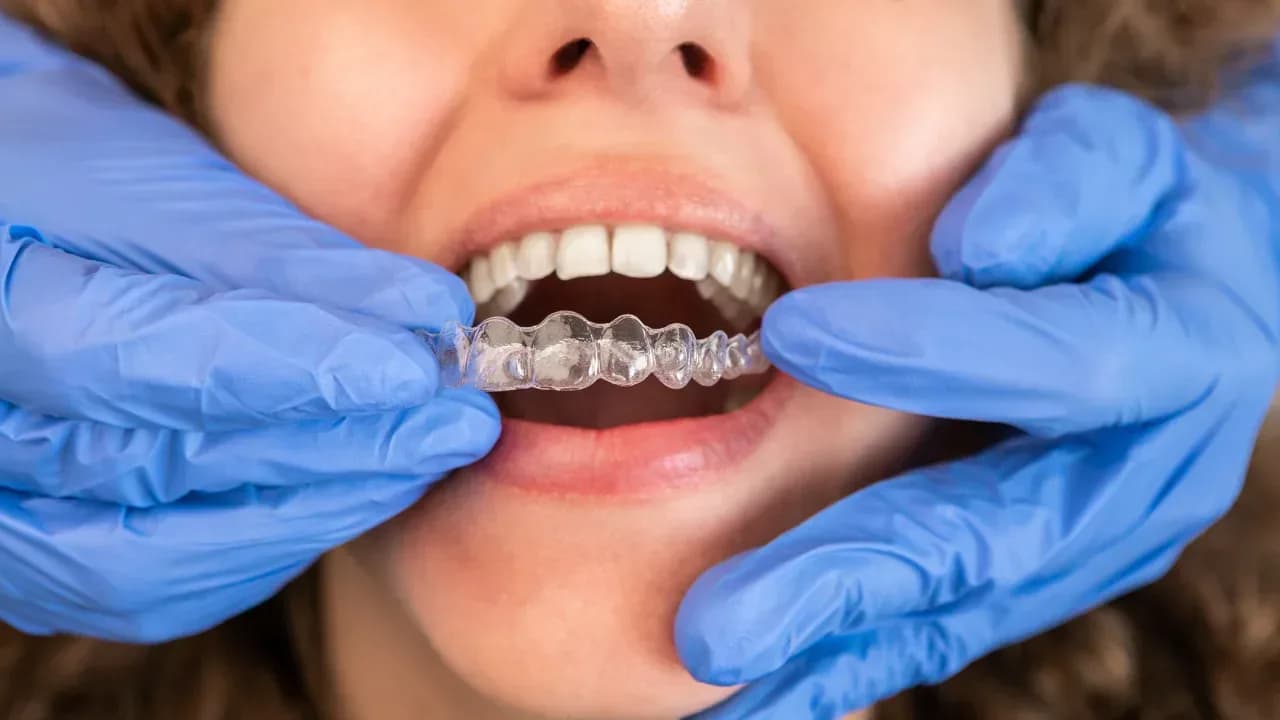
Clear aligner treatment uses removable, transparent aligners to gradually adjust teeth positions. This method offers an alternative to traditional braces for those seeking orthodontic correction.
What is Clear Aligner Treatment?
Clear aligner treatment is an orthodontic approach that employs custom-made, transparent aligners to shift teeth into desired positions. Invisalign is a widely recognized system within this treatment category.
Who is Suitable for Clear Aligner Treatment?
Clear aligners are suitable for children, adolescents, and adults with various orthodontic needs. The suitability of this treatment depends on individual dental conditions and specific treatment goals.
How Does the Clear Aligner Procedure Work?
Orthodontic Examination
Evaluate the face, jaws, teeth, and oral health.
Taking Records
Perform digital intraoral scans and necessary radiographs.
Diagnosis and Treatment Planning
Determine treatment goals and plan tooth movements.
Aligner Production
Custom aligners are made according to the treatment plan.
Aligner Use
Patients wear aligners as instructed by the dentist.
Recovery and Aftercare for Clear Aligners
After treatment, patients need to use retainers to maintain the new teeth positions. Regular dental check-ups are important to ensure long-term success and to address any arising issues.
Risks and Limitations of Clear Aligner Treatment
Clear aligners may not be suitable for all complex orthodontic cases. Limitations include unpredictable tooth movements and the potential need for additional orthodontic appliances.
The Role of Attachments in Clear Aligner Treatment
Attachments are small composite bumps placed on teeth to aid in their movement. They help aligners apply the necessary forces for effective treatment.
Importance of Compliance in Clear Aligner Treatment
Patient compliance is crucial for the success of clear aligner treatment. Aligners must be worn as prescribed to achieve the desired outcomes efficiently.
Whether Invisalign Clear Aligners is right for you is determined by your examination findings.Book an Examination to Assess Your Suitability
Risks and Contraindications
This content is for general health information and does not replace a personalized orthodontic treatment plan.
Frequently Asked Questions
Related Doctors and Clinics




Clinics Offering This Treatment
Dentapolitan Pendik
Bahçelievler Mah. Mostar Bulvarı No:27, Pendik/İstanbul
Related Treatments
Book an Examination Now
Talk to our doctors about your questions on Invisalign Clear Aligners — let's find a date that works for you.
Book a Invisalign Clear Aligners Consultation