Crowns & Veneers
Dental Crowns and Veneers
Is Dental Crowns and Veneers right for you? Let's assess your needs, oral health, and treatment alternatives with a personal examination.
- Personalized assessment
- Evidence-based treatment planning
- Ümraniye and Pendik clinics

Contents
- What Is This Treatment?
- Understanding Dental Crowns and Veneers
- Candidates for Crowns and Veneers
- The Procedure for Dental Crowns
- Recovery and Aftercare for Crowns and Veneers
- Risks and Limitations of Crowns and Veneers
- Material Choices for Crowns and Veneers
- Longevity and Durability of Crowns and Veneers
- Combining Crowns and Veneers with Other Treatments
- Special Considerations for Different Patient Groups
- Cost Factors for Crowns and Veneers
- Risks and Contraindications
- Frequently Asked Questions
- Related Doctors and Clinics
What Is This Treatment?
Quick Answer
A dental crown is a cap that covers a damaged, decayed or root-treated tooth to restore its shape and function, while a veneer is a thin shell bonded to the front surface for appearance. A dentist recommends the option based on how much natural tooth structure remains.
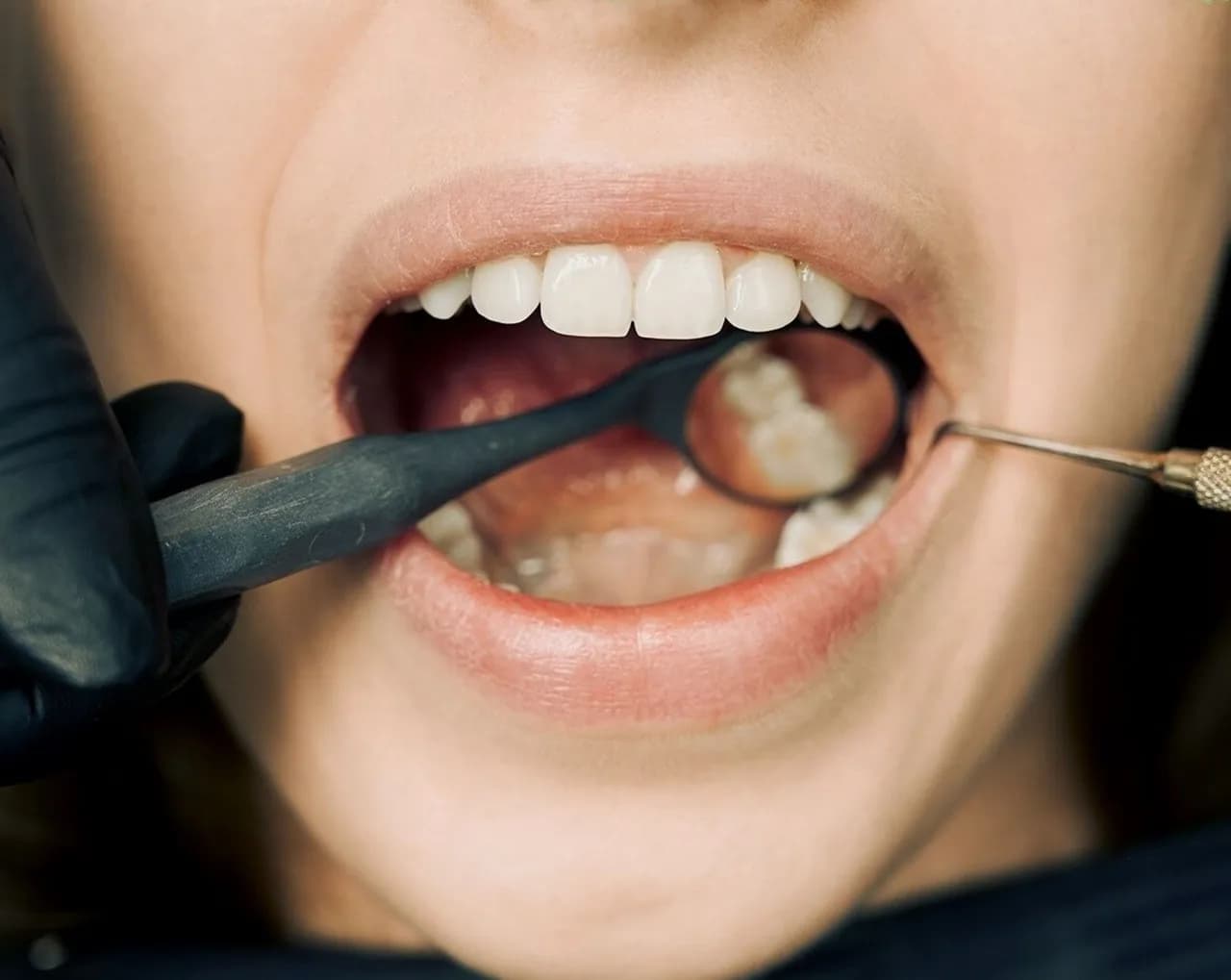
Dental crowns and veneers are significant components of modern restorative dentistry, offering both functional and aesthetic benefits for individuals with compromised teeth. These treatments are particularly beneficial for teeth that have suffered damage, discoloration, or have naturally misshapen forms. By employing advanced dental materials, crowns and veneers can greatly enhance the natural appearance of teeth, providing patients with a more confident smile. Dental crowns are designed to cover the entire tooth, offering strength and protection, while veneers are thin shells that cover only the front surface, improving the tooth's visual appeal. Understanding the roles and benefits of crowns and veneers can aid patients in making informed decisions regarding their dental health options.
Understanding Dental Crowns and Veneers
Dental crowns and veneers are essential restorative solutions in dentistry, each serving distinct purposes to address a variety of dental concerns. A dental crown, often referred to as a cap, completely encases a damaged or weakened tooth, restoring its shape, size, strength, and appearance. Crowns are particularly useful for teeth that have undergone extensive decay, are fractured, or have had large fillings, and they can be made from a variety of materials including porcelain, ceramic, metal, or a combination of materials. Porcelain and ceramic crowns are favored for their natural appearance, closely mimicking the translucence and color of natural teeth. Metal crowns, while less aesthetically pleasing, offer superior strength and are often used for molars. Veneers, in contrast, are thin shells crafted from porcelain or composite resin and are primarily used for cosmetic enhancement. They are bonded to the front surface of teeth to correct issues such as discoloration, minor chips, or slight misalignments. Porcelain veneers are highly valued for their ability to replicate the light-reflecting properties of natural teeth and their resistance to staining. Composite veneers, while more affordable, may not offer the same level of durability and aesthetic appeal as porcelain. The choice between crowns and veneers depends on the extent of dental damage, the desired aesthetic outcome, and the structural needs of the teeth involved. Both treatments require careful consideration and consultation with a dental professional to ensure the most suitable approach for each individual's needs.
Candidates for Crowns and Veneers
Candidates for crowns and veneers are typically individuals seeking to address specific dental imperfections that affect the appearance and function of their teeth. Those with teeth that are severely worn down, chipped, or broken due to trauma or decay are often good candidates for crowns, as these restorations provide the necessary structural support and protection. Crowns are also suitable for those who have undergone root canal treatment, as they help to strengthen and protect the affected tooth. Veneers are ideal for individuals with cosmetic concerns such as severe discoloration that does not respond to conventional whitening treatments, minor chips, or slightly misaligned teeth. They are also beneficial for those looking to close small gaps between teeth or achieve a more uniform and symmetrical smile. However, not everyone is an ideal candidate for these treatments. A comprehensive dental evaluation is essential to determine the suitability of crowns or veneers, taking into consideration the patient’s overall oral health, the condition of their gums, and the amount of remaining tooth structure. Healthy gums and sufficient tooth enamel are critical for the successful placement and longevity of these restorations. Patients with active gum disease or insufficient tooth structure may need to address these issues before proceeding with crowns or veneers. Additionally, those with habits such as teeth grinding or clenching may require additional treatments, such as a night guard, to protect their restorations. It is important for patients to have realistic expectations and understand the limitations of these treatments, as well as to communicate their aesthetic goals clearly with their dentist.
The Procedure for Dental Crowns
Consultation
The process begins with a thorough consultation where the dentist evaluates your dental health, discusses your needs, and determines if a crown is the appropriate treatment. This involves examining the tooth in question, taking x-rays to assess the extent of decay or damage, and discussing the types of crowns available.
Tooth Preparation
The affected tooth is reshaped, which involves removing a portion of the enamel to make space for the crown. This step is crucial to ensure that the crown fits properly and does not alter the bite alignment. The amount of tooth structure removed depends on the type of crown being used.
Impression
An impression of the prepared tooth is taken using a dental putty or digital scanner. This impression serves as a model for creating a custom-fitted crown that matches the patient’s bite and the natural contours of their teeth. The impression is sent to a dental laboratory where the crown is crafted.
Temporary Crown
While waiting for the permanent crown to be fabricated, a temporary crown is placed to protect the prepared tooth. This temporary crown is usually made from acrylic and is not as durable as the final crown, but it helps maintain the tooth's function and appearance.
Final Placement
Once the permanent crown is ready, the dentist removes the temporary crown and checks the fit and color of the permanent one. Adjustments may be made to ensure a comfortable fit and proper bite alignment. Once satisfied, the crown is cemented onto the prepared tooth using a strong dental adhesive.
Recovery and Aftercare for Crowns and Veneers
After receiving crowns or veneers, it is crucial to adopt a rigorous oral hygiene routine to maintain their condition and longevity. Patients should brush their teeth at least twice daily using a soft-bristled toothbrush and non-abrasive toothpaste to prevent plaque accumulation around the restorations. Flossing daily is equally important to remove debris and plaque from areas that a toothbrush cannot reach, particularly between the crowns or veneers and adjacent teeth. Regular dental check-ups and professional cleanings are essential components of aftercare, as they allow the dentist to monitor the integrity of the restorations and identify any potential issues early on. During these visits, the dentist will check for signs of wear, damage, or decay around the crowns or veneers and make any necessary adjustments. Patients should also be mindful of their dietary choices, avoiding hard or sticky foods that could potentially damage the restorations. Chewing ice, biting fingernails, or using teeth as tools should be avoided to prevent chipping or dislodgment of the crowns or veneers. For individuals with a history of bruxism (teeth grinding), wearing a night guard can help protect the restorations from excessive wear and prolong their lifespan. It is also advisable for patients to limit their intake of staining substances such as coffee, tea, and red wine, especially if they have veneers, to maintain their appearance. By adhering to these care guidelines, patients can ensure that their crowns and veneers remain functional and aesthetically pleasing for many years.
Risks and Limitations of Crowns and Veneers
While dental crowns and veneers are generally safe and effective, they do carry certain risks and limitations that patients should be aware of before undergoing treatment. One potential risk is tooth sensitivity, which can occur when the enamel is removed during the preparation phase. This sensitivity is usually temporary, but it can persist in some cases, particularly when consuming hot or cold foods and beverages. Another risk is the possibility of the crown or veneer becoming dislodged or falling off, which can occur if the dental adhesive weakens or if the restoration is subjected to excessive force. In such cases, a visit to the dentist is necessary to re-cement the restoration. Additionally, both crowns and veneers involve the removal of some tooth structure, making these procedures irreversible. Patients should carefully consider this aspect and discuss any concerns with their dentist prior to treatment. Crowns and veneers also have limitations; they may not be suitable for teeth with extensive decay or insufficient enamel. In such instances, alternative treatments such as dental implants or bridges may be recommended. Moreover, while porcelain veneers are resistant to staining, they are not indestructible and can chip or crack if not properly cared for. Patients should also be aware that crowns and veneers do not protect against gum disease, so maintaining good oral hygiene is essential to prevent periodontal issues. By understanding these risks and limitations, patients can make informed decisions and work closely with their dentist to achieve successful outcomes.
Material Choices for Crowns and Veneers
The selection of materials for crowns and veneers is a critical factor that influences their appearance, durability, and cost. Porcelain is a widely used material for both crowns and veneers due to its ability to mimic the translucency and color of natural teeth, making it an excellent choice for front teeth restorations. Porcelain veneers are particularly favored for their aesthetic qualities and resistance to staining. Zirconium Crowns, known for their exceptional strength and durability, are often recommended for molars or teeth that endure significant biting forces. These crowns offer a balance between aesthetics and resilience, making them suitable for both anterior and posterior teeth. Emax Crowns are crafted from lithium disilicate ceramic, offering both strength and a natural appearance, and are ideal for patients seeking a blend of durability and aesthetics. Composite veneers, while more economical than porcelain, may not provide the same level of durability and are more prone to staining and wear over time. The choice of material should be based on the specific needs of the patient, the location of the tooth, and the desired aesthetic outcome. During the consultation, the dentist will discuss the advantages and disadvantages of each material, helping patients make an informed decision that aligns with their dental health and aesthetic goals.
Longevity and Durability of Crowns and Veneers
The longevity and durability of dental crowns and veneers depend on several factors, including the materials used, the location of the restoration, and the patient's oral hygiene practices. Porcelain veneers typically last between 10 to 15 years, while composite veneers may require replacement sooner, generally within 5 to 7 years. Crowns, especially those made from durable materials like zirconium, can last significantly longer, often exceeding 15 years with proper care. The lifespan of these restorations can be extended through regular dental check-ups, where the dentist can assess their condition and make any necessary adjustments. Patients should be aware of habits that can negatively impact the longevity of their crowns or veneers, such as teeth grinding, nail-biting, or chewing on hard objects. Wearing a night guard can be beneficial for those with bruxism to protect their restorations from excessive wear. Additionally, maintaining good oral hygiene by brushing and flossing regularly, as well as limiting the consumption of staining substances, can help preserve the appearance and function of crowns and veneers. By following these guidelines, patients can maximize the durability and effectiveness of their dental restorations, ensuring they remain a long-lasting investment in their oral health and aesthetics.
Combining Crowns and Veneers with Other Treatments
Crowns and veneers can be effectively combined with other dental treatments to create comprehensive smile makeovers, addressing multiple aesthetic and functional concerns simultaneously. For example, patients seeking a complete transformation of their smile may opt for Hollywood Smile Design, which integrates crowns and veneers with other cosmetic procedures such as teeth whitening and orthodontics. This approach allows for a customized treatment plan that caters to the specific needs and desires of the patient, achieving a harmonious and aesthetically pleasing result. Crowns and veneers can also complement restorative treatments like dental implants, providing a cohesive and natural-looking appearance. In cases where teeth are missing or severely damaged, implants can be used to replace the tooth root, while crowns restore the visible portion of the tooth. Veneers can be utilized to enhance the appearance of adjacent teeth, ensuring a uniform and attractive smile. It is essential for patients to discuss their overall dental goals with their dentist to develop a coordinated treatment plan that addresses both functional and aesthetic aspects. By combining crowns and veneers with other treatments, patients can achieve a comprehensive improvement in their oral health and appearance.
Special Considerations for Different Patient Groups
Certain patient groups require special considerations when it comes to the placement of crowns and veneers. For instance, individuals with a history of bruxism (teeth grinding) should be evaluated for the potential need for a night guard to protect their restorations from excessive wear. This is particularly important for those receiving porcelain veneers or crowns, as these restorations, while durable, can still be damaged by the forces of grinding. Patients with active gum disease must address their periodontal health prior to receiving crowns or veneers, as healthy gums are crucial for the success and longevity of these treatments. Younger patients, whose teeth and jaws are still developing, may not be suitable candidates for permanent veneers or crowns, as changes in their dental structures could affect the fit and appearance of the restorations over time. In such cases, temporary or less invasive treatments may be recommended until the patient reaches full dental maturity. Pregnant women should consult with their dentist about the timing of dental procedures, as non-urgent treatments are typically postponed until after pregnancy to minimize any potential risks. Each patient’s unique circumstances and health status should be carefully considered when planning restorative dental treatments, ensuring that the chosen approach aligns with their overall health and dental needs.
Cost Factors for Crowns and Veneers
The cost of crowns and veneers is influenced by a variety of factors, including the materials used, the complexity of the procedure, and the geographic location of the dental practice. Porcelain and zirconium options tend to be more expensive than composite materials due to their superior aesthetic qualities and durability. The fabrication of crowns and veneers involves precise craftsmanship and the use of advanced dental technology, which contributes to the overall cost. Additional expenses may arise from preparatory treatments, such as gum disease management or tooth extractions, that are necessary before placing crowns or veneers. Insurance coverage for cosmetic procedures is often limited, so patients should verify their benefits with their provider. Some dental offices offer payment plans or financing options to help manage the cost of these treatments, making them more accessible to patients. It is important for patients to discuss their financial options with their dental office and explore available payment arrangements. Understanding the cost implications and planning accordingly can help patients make informed decisions about their dental care, ensuring they receive the treatments that best meet their needs and budget.
Whether Dental Crowns and Veneers is right for you is determined by your examination findings.Book an Examination to Assess Your Suitability
Risks and Contraindications
This article is for informational purposes only and is not a substitute for professional dental advice. Always consult a qualified dentist for diagnosis and treatment options.
Frequently Asked Questions
Crowns and veneers cannot be whitened with traditional teeth whitening methods. They are crafted from materials that do not respond to bleaching agents. If you plan to whiten your natural teeth, it is advisable to do so before getting crowns or veneers to ensure a uniform color match.
Dental crowns can last between 10 to 15 years, or longer, depending on the material used and how well they are cared for. Regular dental check-ups and good oral hygiene practices are essential for extending the life of your crowns.
Veneers are not reversible. The process involves removing a small amount of enamel from the tooth surface, which is permanent. Once veneers are placed, they will need to be replaced if damaged or worn.
Emax Crowns are made from lithium disilicate ceramic, offering a natural appearance and strength, suitable for both front and back teeth. Zirconium Crowns are known for their durability and are often used for teeth that require extra strength, such as molars.
Yes, you can eat normally with crowns and veneers. However, it is recommended to avoid biting on hard objects or using your teeth as tools, as this can damage the restorations.
Caring for veneers involves regular brushing and flossing, just like natural teeth. Avoid biting into hard foods directly with veneered teeth, and visit your dentist regularly to ensure they remain in good condition.
If a veneer falls off, contact your dentist as soon as possible. Do not attempt to reattach it yourself. Your dentist will assess the situation and either re-bond the veneer or discuss replacement options.
Coverage for crowns and veneers varies by insurance plan. Cosmetic procedures are often not covered, but some restorative treatments may be partially reimbursed. Check with your insurance provider for specific details.
Veneers can correct minor misalignments and create the appearance of straighter teeth. However, for more significant orthodontic issues, braces or clear aligners may be recommended.
Porcelain crowns and veneers are resistant to staining, unlike natural teeth. However, it is still advisable to limit consumption of staining substances like coffee, tea, and red wine to maintain their appearance.
Related Doctors and Clinics




Clinics Offering This Treatment
Dentapolitan Pendik
Bahçelievler Mah. Mostar Bulvarı No:27, Pendik/İstanbul
Related Treatments
Book an Examination Now
Talk to our doctors about your questions on Dental Crowns and Veneers — let's find a date that works for you.
Book a Dental Crowns and Veneers Consultation